Revolutionize Your Brand Through Striking Website Design Services
In this digital age, a brand's online standing is essential. Stunning website design serves as an powerful tool for capturing attention and driving user engagement. It conveys a brand's identity while building trust among visitors. However, many brands overlook key design elements that can dramatically impact their success. Understanding these components can be vital in transforming a brand’s image and effectiveness online. What should brands consider in their design strategy?
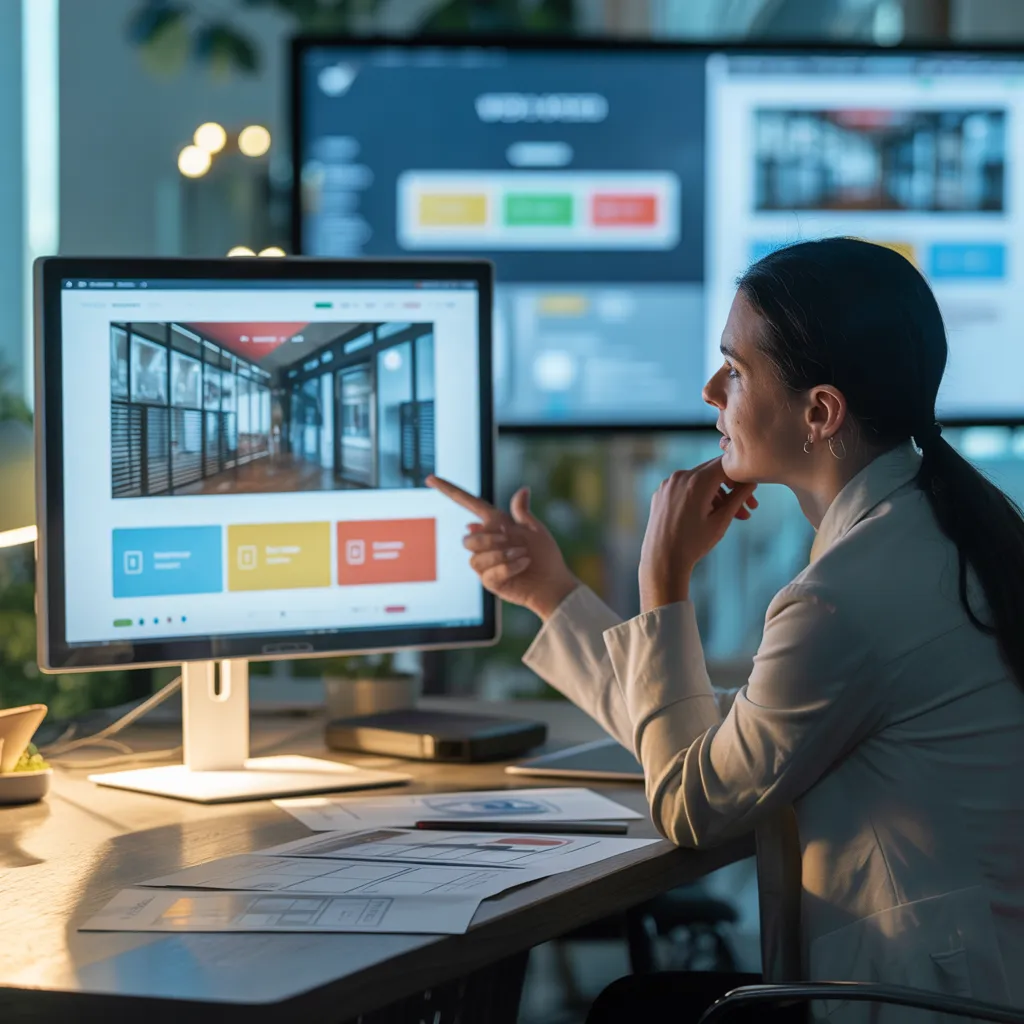
Why Impressive Website Design Counts for Your Brand
A beautiful website design functions as a key touchpoint for any brand, impacting first impressions and user interaction. In the current digital environment, a carefully built website serves as a virtual storefront, showcasing a brand’s identity and core values. Users frequently form opinions in seconds, deciding whether to stay or leave depending on appearance and ease of use. A cohesive design builds trust, communicating professionalism and reliability, whereas a disorganized or outdated website may discourage potential clients and diminish a brand’s reputation.
In addition, refined presentation connects on an emotional level, elevating user experience through accessible navigation and visual charm. This affinity motivates visitors to venture deeper and immerse in the content, spurring increased conversion rates. Ultimately, a captivating website design not only pulls in traffic but also cultivates a faithful following, solidifying a commanding online presence that differentiates the brand in a intense competitive arena.
Critical Considerations of Robust Website Building Services
Quality website design services are built on two critical elements: user experience optimization and visual aesthetic appeal. Prioritizing user experience see guide guarantees that visitors navigate seamlessly, while a strong visual aesthetic seizes focus and reinforces brand identity. Together, these elements create a compelling and functional website that caters to user needs.
User Experience Refinement
Enhancing the experience of users is essential for any web design agency aiming to capture audience interest and drive conversions. A efficiently designed website allows easy navigation, allowing users to find information quickly. Clear page designs and prominent calls to action can boost significantly user interaction. Additionally, ensuring that websites are mobile-responsive is vital, as a rising number of visitors access sites via smartphones. Fast loading times also contribute to a positive experience; delays can lead to increased bounce rates. Accessibility should not be forgotten; sites must be designed to serve all users, including those with disabilities. Collecting user feedback and conducting usability testing can provide important feedback, enabling continuous improvements and ensuring that the website meets the needs and expectations of its audience.
Striking Visual Beauty
User experience and visual appeal stand as intertwined aspects of website design that substantially influence visitor engagement. The design components of a website, including color schemes, typography, and imagery, create an immediate impression that can engage users. A harmonized design fosters brand identity and builds trust, encouraging visitors to explore further. Effective use of whitespace enhances readability and establishes a balanced layout, while exceptional visuals can effectively communicate messages and evoke emotions. Furthermore, responsive design assures that aesthetic appeal is maintained across devices, elevating overall user satisfaction. Ultimately, a visually appealing website not only attracts attention but also strengthens the functionality and usability, resulting in improved conversion rates and sustained visitor interest.
Picking the Best Design Aesthetic Suited to Your Readers
How can a digital platform's visual presentation resonate with its target audience? Choosing the right design style is important for effectively engaging users. A brand must first evaluate its audience demographics, preferences, and behaviors. For instance, a youthful audience may respond better to vibrant colors and dynamic layouts, while a more mature demographic might prefer a minimalist and sophisticated approach.
In addition, the industry sector has a significant role in shaping design choices. A tech startup may derive benefits from a modern aesthetic with inventive features, whereas a law firm might prefer a classic, dignified look. Harmony in design elements such as typography and imagery supports brand identity and promotes trust. Ultimately, the right design style not only attracts attention but also matches the values and expectations of the audience, enabling a meaningful connection. Through intentional design decisions, brands can establish an impactful online presence that speaks clearly to their target market.
The Impact of User Experience in Website Success
User experience underpins a website's success by creating seamless navigation and a cross-device mobile experience. Superior design promotes users finding information with ease and participate in content, independent of the device they are using. Emphasizing these elements can considerably boost user satisfaction and engagement.
Intuitive Menu Organization
While successful website design includes various elements, intuitive navigation emerges as a essential factor affecting visitor satisfaction and general site performance. A properly organized navigation system enables users to find information rapidly, reducing frustration and improving satisfaction. Clear labels, organized structure, and regular positioning of menu items create a smooth browsing experience. Users are better able to interact with content and return to a site that provides simple navigation. Furthermore, user-friendly navigation fosters trust, as visitors feel confident in their ability to navigate the site without confusion. Ultimately, a focus on navigation design both improves usability and bolsters conversion rates, making it an vital component of any successful website strategy.
Flexible Mobile Experience
An effective website layout must also prioritize a mobile-responsive interface, as a significant portion of web traffic now comes from mobile devices. Users expect smooth engagement, regardless of their device. A responsive design adjusts layouts, images, and functionalities to ensure optimal display on smartphones and tablets. This flexibility enhances user satisfaction, decreasing bounce rates and fostering longer engagement. Furthermore, search engines favor mobile-friendly websites, improving visibility and drawing in more visitors. Companies that commit to mobile responsiveness show an understanding of their audience's needs, ultimately strengthening brand credibility. As mobile usage continues to rise, integrating a responsive mobile experience is not merely an option; it is essential for maintaining competitive advantage and achieving overall website success.
Top 5 Website Design Pitfalls and How to Repair Them
Many website designers encounter common pitfalls that can reduce the overall user experience and effectiveness of a site. One frequent mistake is neglecting mobile optimization, leading to a poor experience for users on smaller screens. To fix this, designers should adopt a responsive design approach. Another error is cluttered layouts, which overwhelm visitors. Simplifying the design and focusing on essential elements can enhance clarity. Additionally, inconsistent branding can confuse users; maintaining a cohesive visual identity across the site is vital. Slow loading times are another common issue; optimizing images and leveraging browser caching can mitigate this. Finally, lack of clear calls to action can hinder user engagement. Designers should ensure that CTAs are prominent and compelling. By addressing these mistakes, designers can greatly boost website effectiveness and user satisfaction.
Why Design Matters for Your Conversion Optimization
Impactful visual presentation can greatly influence conversion rates on a website. A thoughtfully laid out structure guides users fluidly through content, curtailing confusion and guaranteeing they easily uncover what they require. Visual hierarchy stands as an vital factor; deliberate employment of colors and fonts can draw attention to calls-to-action (CTAs), enhancing user engagement. Also, responsive design guarantees that websites preserve functionality across devices, expanding reach to a broader audience.
Moreover, aesthetic appeal fosters confidence and reliability; customers tend to make purchases when they perceive a site as professional and polished. The combination of high-quality images and brief, compelling content further strengthens the customer journey, leading to increased loyalty levels.
Ultimately, putting money toward well-considered aesthetics not only improves user engagement but also boosts conversion rates, directly impacting a brand's bottom line. A website that clearly conveys its value proposition through design will likely see increased customer actions and loyalty.

Frequently Requested FAQs
How extended is the Website Design Process usually?
The website design procedure typically takes between four to twelve weeks, based on the undertaking difficulty, customer feedback, and required functionalities. Timelines may vary based on teamwork and revisions during the development phases.
How Much Do Standard Website Development Solutions Cost?
The typical expense of website design services commonly ranges from $2,000 to $10,000, influenced by complexity, functionality, and designer expertise. Custom solutions may boost costs, while templates can deliver more economical solutions for businesses.
Can I Modify My Website Once It's Designed?
Yes, web pages can be updated after completion of design. Many services offer intuitive interfaces for updates, while professional services may offer ongoing support, making sure the site stays current and aligns with changing business goals.
Do You Deliver Website Care After-Launch?
Yes, they offer website maintenance after launch. This service ensures that the website remains functional, up-to-date, and secure, allowing clients to focus on their business while experts manage ongoing technical requirements effectively.
What solutions Do You Use for Web Design?
The enterprise utilizes assorted platforms for online presence, including WordPress, Shopify, and Wix. Each platform is designated based on client needs, ensuring resilience, growth capability, and outstanding user satisfaction built for specific business objectives.